Sponsored article
Why do pork cheeks work well in slow-cooked dishes?
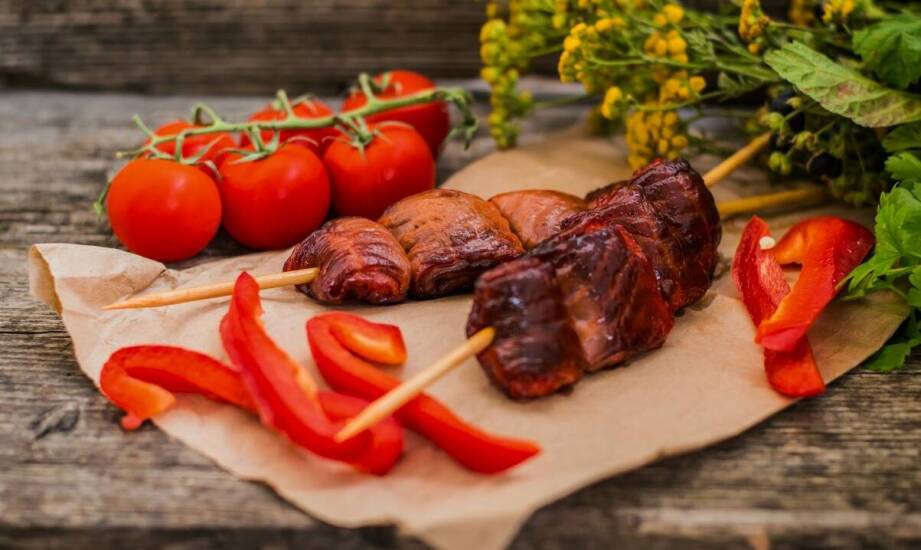
Dishes prepared over many hours continue to enjoy unwavering popularity in kitchens across various regions of the world. Slow cooking allows for the extraction of deep flavors and achieves the desired meat texture, which cannot be attained with quick cooking methods. This is why certain cuts are especially valued by chefs and enthusiasts of traditional recipes. One such cut is the pork cheek, which has been used for years in dishes requiring patience and precision.
Read more: Traditional Smokers and Fish Smoking
The importance of fat and collagen in meat structure
Pork cheeks are distinguished by their high content of fat and collagen, which are crucial in slow cooking. During thermal processing, the fat gradually melts, imparting deep flavor and juiciness to the dishes. Collagen, on the other hand, transforms into gelatin, making the meat tender while giving sauces and broths a thick, velvety consistency. This combination is what makes the dishes rich in flavor and exceptionally aromatic.
Read more: The Impact of Regular Mushroom Deliveries on the Success of Grocery Stores
Proven slow-cooking techniques
To fully utilize the potential of pork cheeks, it is worth employing techniques based on low temperature and long cooking times. Braising in a small amount of liquid helps retain the meat's juiciness, while slow simmering allows the flavors of the spices to gradually infuse. Increasingly popular is also low-temperature roasting, which enhances the natural flavor of the meat and ensures a delicate texture. Each of these methods allows for a consistent and satisfying culinary result.
Read more: Guide to the Latest Technological Advancements in Industrial Coffee Roaster
Application in the kitchen and recipe variety
This type of meat is perfectly suited to many one-pot dishes. It pairs excellently with root vegetables, wine, herbs, and intense spices. It is often used in stews, soups, and braised dishes, where long cooking time brings out its full flavor profile. Thoroughly prepared, it becomes the centerpiece of the dish, drawing attention both with its taste and aroma.
Quality of raw material and the outcome
A key factor influencing the quality of the dish is the origin of the meat. By choosing products from trusted suppliers, one can be assured of their freshness and compliance with current standards. Companies specializing in pork export offer both fresh and frozen meat, tailored to the needs of the culinary market. The offerings of such suppliers, like Michna Meat, include cuts valued in professional kitchens, including pork cheek products.
You might be interested

How to Tailor a Tank to the Specific Needs of the Medium?
Adapting tanks to the specific needs of the medium is crucial for the safety and efficiency of storing aviation fuels. The appropriate choice of design and materials is important for both environmental protection and preventing fuel contamination. It's worth understanding the customization opti

Key Aspects of Privacy Law for IT Firms
In the digital era, privacy protection is essential for IT companies. Compliance with personal data regulations influences customer trust. This article will discuss important legal aspects, such as data protection regulations, liability for breaches, user consent, and the importance of audits and em