Sponsored article
What Does Managing a Complex Renovation Look Like When One Person Coordinates the Plan, Trades, and Stage Approvals?
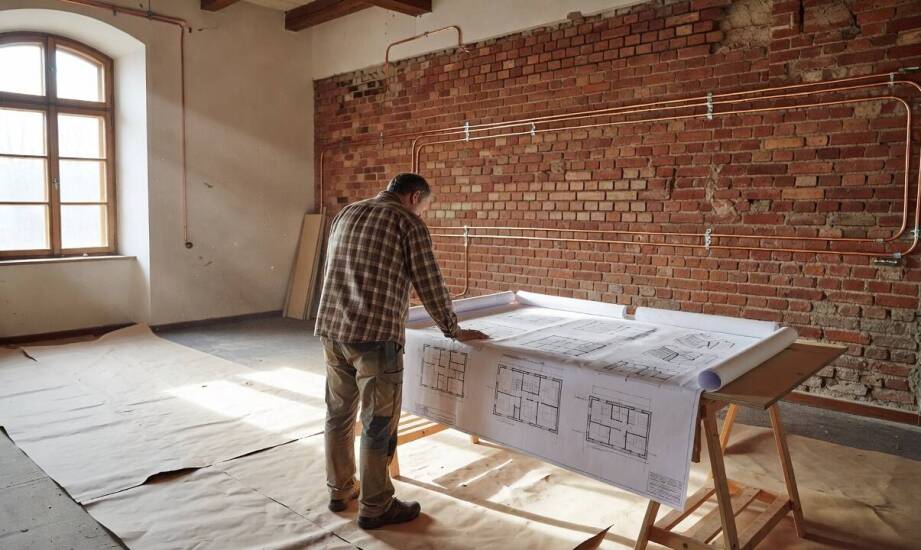
- Planning the Renovation Before Contractors Arrive
- Material Decisions Should Be Made Early
- Coordinating Building Services and Preventing Conflicts
- Budget Planning and Contingency Allowances
- Continuous Supervision of Renovation Teams
- Communication with the Client and Stage Approvals
- The Specific Challenges of Renovating Historic Kraków Buildings
- Renovation Logistics in Kraków City Centre
- Comprehensive Project Management for Property Owners
- Key Takeaways
- FAQ
Renovating an office in a historic townhouse or converting a large apartment in an older Kraków building rarely resembles a simple interior refresh. Such projects often begin with ambitious goals but can quickly become complicated when multiple contractors, suppliers, and technical disciplines need to work together.
Read more: New Trends in Metal Processing Technology: The Role of Deburring
The greatest threat to a renovation budget is not necessarily poor workmanship or construction defects. More often, the real challenge is the absence of a single person responsible for coordinating the entire project. Without centralised management, contractors can interfere with each other's work, materials may arrive at the wrong time, and property owners can lose control over costs and deadlines.
Planning the Renovation Before Contractors Arrive
A project manager should define the exact scope of work, the sequence of trades, and control milestones before construction begins.
The process should start with a thorough review of available project documentation and an assessment of the property's actual condition.
This makes it possible to evaluate structural elements, existing installations, and potential technical risks before work starts. Based on this information, a detailed schedule can be prepared in which each stage follows a logical sequence that protects previously completed work.
The transition from wet trades to dry finishing works is particularly important.
Defined inspection points at the end of each stage help identify issues early, before the next team enters the site.
Material Decisions Should Be Made Early
Decisions regarding materials, systems, and logistics should be finalised well before construction starts.
Changing specifications during renovation can delay multiple contractors simultaneously and disrupt the entire schedule.
Before work begins, it is advisable to finalise:
Ceramic tile formats and thicknesses
Concealed plumbing fixtures and built-in systems
Technical parameters of underfloor heating systems
These decisions directly influence floor build-ups, screed levels, and the routing of mechanical and plumbing installations.
Early preparation of technical documentation and verification of any administrative requirements also helps reduce the risk of unexpected interruptions.
Coordinating Building Services and Preventing Conflicts
The ability to interpret technical drawings and anticipate clashes between installations has a direct impact on project efficiency.
A renovation coordinator should compare ventilation, electrical, water supply, and drainage layouts, paying particular attention to confined technical spaces where multiple systems intersect.
Identifying conflicts before walls are opened or service routes are installed helps avoid costly rework later in the project.
This proactive approach prevents contractors from having to modify newly completed installations.
Budget Planning and Contingency Allowances
A detailed project budget should clearly separate labour, materials, equipment, and specialist services.
For more complex projects, it is advisable to include both financial and scheduling contingencies.
This is particularly important when renovating older buildings. After removing plaster, flooring, or outdated installations, hidden structural defects or technical issues may become visible.
A well-planned contingency fund reduces the risk of construction delays caused by unexpected expenses.
Continuous Supervision of Renovation Teams
Smooth transitions between structural, electrical, mechanical, and finishing works require ongoing coordination.
Daily supervision provided by Cracow renovation experts helps prevent delays caused by an unprepared workfront or misunderstandings between different contractors.
An experienced project manager should continuously verify that construction works remain consistent with the approved drawings, schedule, and budget.
Even seemingly minor changes can significantly affect the overall cost of a larger project.
Regular monitoring allows investors to identify issues early rather than discovering budget overruns during the final finishing stages.
Communication with the Client and Stage Approvals
Transparent communication and formal stage approvals help maintain a shared understanding of project progress and responsibilities.
Regular site meetings and photographic reports document completed works, including installations that will later be concealed behind walls, ceilings, or furniture.
Every major stage of construction should conclude with a technical inspection and approval process.
Depending on the outcome, inspection records may confirm completion without remarks or identify items requiring correction.
Particularly important is the documentation of:
Electrical installations
Water supply systems
Drainage systems
Hidden structural elements
Technical infrastructure concealed within walls and ceilings
Photographs taken before walls and ceilings are closed can be extremely useful for future maintenance, repairs, or renovations.
Formal acceptance procedures also help reduce the likelihood of disputes between clients and contractors.
The Specific Challenges of Renovating Historic Kraków Buildings
Older buildings require a combination of technical expertise, careful planning, and logistical discipline.
Historic properties from the late nineteenth and early twentieth centuries frequently contain unexpected issues such as:
Outdated aluminium electrical wiring
Deteriorated plaster finishes
Uneven floor structures
Legacy installation systems
Addressing these issues may require additional technical consultations and specialist assessments.
For protected or historically significant buildings, certain works may also require consultation with relevant heritage authorities.
Renovation Logistics in Kraków City Centre
Deliveries of construction materials and large equipment must be carefully coordinated with local transport restrictions.
Narrow streets, temporary road closures, infrastructure works, and limited access conditions can affect both material deliveries and waste removal.
The delivery schedule should therefore reflect not only the construction sequence but also the practical accessibility of the building.
Comprehensive Project Management for Property Owners
Comprehensive project management is especially valuable for owners who cannot spend significant time supervising a construction site.
International property owners often seek local specialists who can also provide English-language reporting and documentation throughout the project.
Krakow Construction has been delivering interior finishing and renovation projects since 2017. Entrusting a single company with project coordination can significantly reduce the common problem of responsibility being shifted between multiple independent contractors.
A single point of contact and clearly defined responsibility structure simplify decision-making and improve project control.
Well-managed construction projects are characterised not by impressive visualisations but by the absence of major unforeseen problems. Careful material planning, consistent supervision, and clear approval procedures contribute to greater budget control, reduced risk, and improved long-term performance of the completed renovation.
Every renovation project, particularly the modernisation of a historic Kraków property, requires disciplined adherence to technical assumptions and effective coordination of all participants involved.
Key Takeaways
Centralised project management improves coordination and reduces delays.
Early planning helps identify technical and structural risks.
Material and installation decisions should be finalised before construction begins.
Installation clash detection prevents costly rework.
Financial contingencies are particularly important in older buildings.
Continuous supervision helps maintain quality, schedule, and budget control.
Technical documentation and stage approvals improve transparency.
Historic buildings often require additional technical assessments and planning.
FAQ
Why is a dedicated renovation coordinator important?
A renovation coordinator oversees schedules, contractors, budgets, and technical decisions. This reduces miscommunication and helps keep the project on track.
Why should material selections be made before construction starts?
Late design changes can affect multiple contractors simultaneously, causing delays, additional costs, and scheduling conflicts.
What is the benefit of documenting concealed installations?
Photographic records of hidden electrical, plumbing, and structural elements make future maintenance, troubleshooting, and renovations significantly easier.
Article categories
You might be interested

Car detailing products – Where to start with regular car maintenance?
Taking care of a car is not only a matter of aesthetics but also a way to maintain its value over time. Systematic maintenance helps reduce wear and tear of parts and protects surfaces from external factors. The right approach to cleaning and preservation ensures that the car looks better and remain

Why do pork cheeks work well in slow-cooked dishes?
Dishes prepared over many hours continue to enjoy unwavering popularity in kitchens across various regions of the world. Slow cooking allows for the extraction of deep flavors and achieves the desired meat texture, which cannot be attained with quick cooking methods. This is why certain cuts are esp